Chiropractic Clinic Calendar Management: 9 Smart Strategies to Run a More Organized Practice
Introduction to Chiropractic Clinic Calendar Management
Keeping a chiropractic clinic running smoothly depends heavily on how well appointments, providers, and patient flow are organized. Chiropractic clinic calendar management is the foundation that supports everything from front desk efficiency to patient satisfaction and revenue consistency, especially when powered by modern chiropractic scheduling software.
When calendars are disorganized, clinics face double bookings, long wait times, and frustrated patients, which can lead to a lower retention rate. In today's fast-paced healthcare environment, simply managing schedules through traditional means is not enough. Modern chiropractic calendar software solves these problems by providing real-time visibility, automation, and structured workflows. As clinics grow busier in 2026 and beyond, strong calendar management is no longer optional—it’s essential for a thriving practice.
Why Calendar Management Is Critical in Chiropractic Clinics
Chiropractic care often involves recurring visits, multiple providers, and varied appointment lengths. Managing this complexity manually increases the risk of:
- Overlapping appointments
- Missed or forgotten visits
- Uneven patient flow
- Staff stress and burnout
With effective chiropractic clinic calendar management, clinics maintain control over schedules while improving both efficiency and patient experience. By ensuring appointments are well-organized, clinics can enhance overall service delivery, thereby fostering stronger patient relationships and encouraging referrals.
What Is Chiropractic Clinic Calendar Management?
Chiropractic clinic calendar management refers to the systems and processes used to organize, monitor, and optimize appointment schedules across the clinic. This includes managing provider availability, appointment types, and patient flow in one centralized calendar that supports both clinical and front desk scheduling workflows. Besides improving internal operations, effective calendar management enables clinics to provide a more welcoming atmosphere for patients, making their visits more comfortable and organized.
How Chiropractic Calendar Software Supports This Process
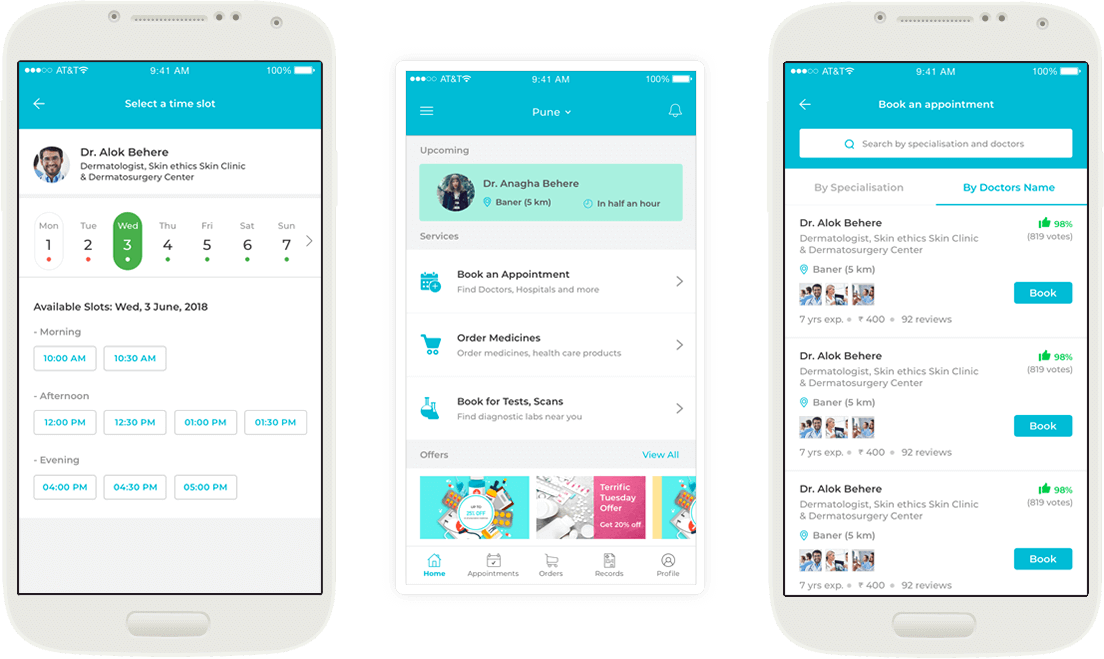
Chiropractic calendar software offers various functionalities that streamline scheduling. Key features include:
- Displays real-time availability: Providers can easily see when they are available, ensuring they can accept new patients or reschedule existing ones effectively.
- Prevents double bookings: Automated tools work in the background to manage changes and notify staff of conflicts, which reduces errors and enhances professionalism.
- Supports recurring appointments: This feature is crucial for chiropractic treatment plans requiring regular visits, allowing for seamless management of ongoing care.
- Syncs schedules across staff and providers: Real-time updates can be shared effortlessly among the team, ensuring everyone is on the same page.
This creates a single source of truth for the entire clinic, enhancing communication among team members and patients alike.
Key Features of Chiropractic Calendar Software
Centralized Scheduling Dashboard
All appointments are visible in one place, significantly reducing confusion and enabling quick actions when schedules shift unexpectedly.
Real-Time Updates
Changes appear instantly across the system, preventing errors and ensuring that all members of the clinic are updated simultaneously.
Recurring Appointment Management
This feature is ideal for managing the complex treatment plans of chiropractic patients who require consistent care and follow-up visits.
Multi-Provider and Room Scheduling
Efficiently coordinates multiple chiropractors, assistants, and rooms to maximize usage and minimize downtime, thus enhancing patient care.
Mobile and Desktop Access
Staff can view and manage schedules from any device, whether they're at the clinic or on the go, making it more convenient to adjust schedules as needed.
Benefits of Chiropractic Clinic Calendar Management
1. Fewer Scheduling Conflicts
Automated rules prevent overlaps and double bookings, ensuring that patients and providers can rely on accurate appointment times.
2. Improved Patient Flow
Balanced schedules reduce wait times and bottlenecks, allowing for a more pleasant patient experience. Evidence suggests that patients value their time, and a well-run clinic directly impacts satisfaction levels.
3. Reduced Staff Stress
Clear calendars create predictability in daily operations, significantly lowering employee stress and enhancing job satisfaction.
4. Better Time Utilization
Open slots are filled more efficiently, reducing downtime and improving the overall productivity of the practice, which ultimately enhances revenue.
5. Higher Patient Satisfaction
Patients experience smoother visits and shorter waits, leading to increased loyalty and positive reviews, which can be pivotal for word-of-mouth referrals.
How Calendar Management Improves Clinic Workflow
Strong chiropractic clinic calendar management brings clarity to daily operations. Staff always know:
- Who is arriving next
- Which provider is available
- Where gaps or delays exist
This visibility allows teams to respond proactively instead of reacting to problems as they arise, effectively turning a chaotic environment into one of organization and efficiency. For clinics looking to enhance their practices, using online scheduling for chiropractors can be an excellent first step.
Chiropractic Calendar Software vs. Manual Calendars
| Feature | Calendar Software | Manual Calendars |
|---|---|---|
| Accuracy | High | Variable |
| Real-Time Updates | Yes | No |
| Scalability | Easy | Limited |
| Error Risk | Low | Higher |
The comparison makes it clear why modern clinics rely on digital calendar tools, particularly when using the best scheduling software for chiropractors. Organizations that still rely on manual calendars often find themselves bogged down by confusion and inefficiencies.
How to Choose the Right Chiropractic Calendar Software
When evaluating options, look for:
- Easy-to-use interface
- Custom appointment types to match your unique clinic needs
- Support for recurring visits, as most chiropractic treatment plans require this
- Integration with reminders and other front desk tools that can streamline communication
- Strong data security to protect sensitive patient information
The right chiropractic calendar software should adapt to your clinic’s workflow—not force changes that slow staff down. For small clinics, exploring chiropractic scheduling software for small clinics can provide solutions specifically designed for your scale and scope.
Implementation Tips for Better Calendar Management
- Train staff before going live with new software to ensure comfort and familiarity.
- Standardize appointment lengths to improve predictability and reduce complications.
- Review schedules daily to catch any discrepancies early.
- Monitor no-show and cancellation patterns to optimize scheduling and improve patient communication.
Consistent use ensures long-term improvements and the effectiveness of the system.
Common Calendar Management Mistakes to Avoid
- Overbooking providers, leading to poor patient experience and increased frustration.
- Ignoring buffer time between appointments that can help accommodate unforeseen delays or emergencies.
- Not using recurring appointment features, which can simplify the management of regular patients.
- Failing to review schedules regularly, which can lead to lost opportunities for smoother operations.
Avoiding these mistakes keeps schedules realistic and efficient, and enhances your practice's overall effectiveness. Utilizing chiropractic appointment reminder software can further support your scheduling and patient engagement initiatives.
Future Trends in Chiropractic Clinic Calendar Management
The future includes AI-assisted scheduling, predictive patient flow analysis, and deeper integration with self-booking and reminder systems. Clinics that modernize calendar management now will be better prepared for exponential growth and changing patient expectations. Adapting to the latest technology solutions like chiropractic patient self-scheduling can significantly improve patient autonomy and clinic efficiency.
Frequently Asked Questions (FAQs)
1. What is chiropractic clinic calendar management?
It’s the process of organizing and controlling appointment schedules across a chiropractic clinic.
2. How does chiropractic calendar software help clinics?
It provides real-time visibility, automation, and error prevention.
3. Is calendar software suitable for small clinics?
Yes, clinics of all sizes benefit from better scheduling control.
4. Can calendar software manage recurring appointments?
Most chiropractic-specific tools support recurring visits.
5. Does calendar management reduce patient wait times?
Yes, balanced schedules lead to smoother patient flow.
6. Is chiropractic calendar software secure?
Reputable platforms use healthcare-grade security standards.
Conclusion
Chiropractic clinic calendar management is the backbone of an organized, efficient practice. By using modern chiropractic calendar software, clinics can reduce errors, improve workflow, and deliver a better patient experience. Implementing the latest trends and technology solutions, such as those discussed in this post, is crucial for success in an increasingly competitive healthcare landscape. In a busy healthcare environment, strong calendar management is a key driver of long-term success and satisfaction for both practitioners and patients alike.